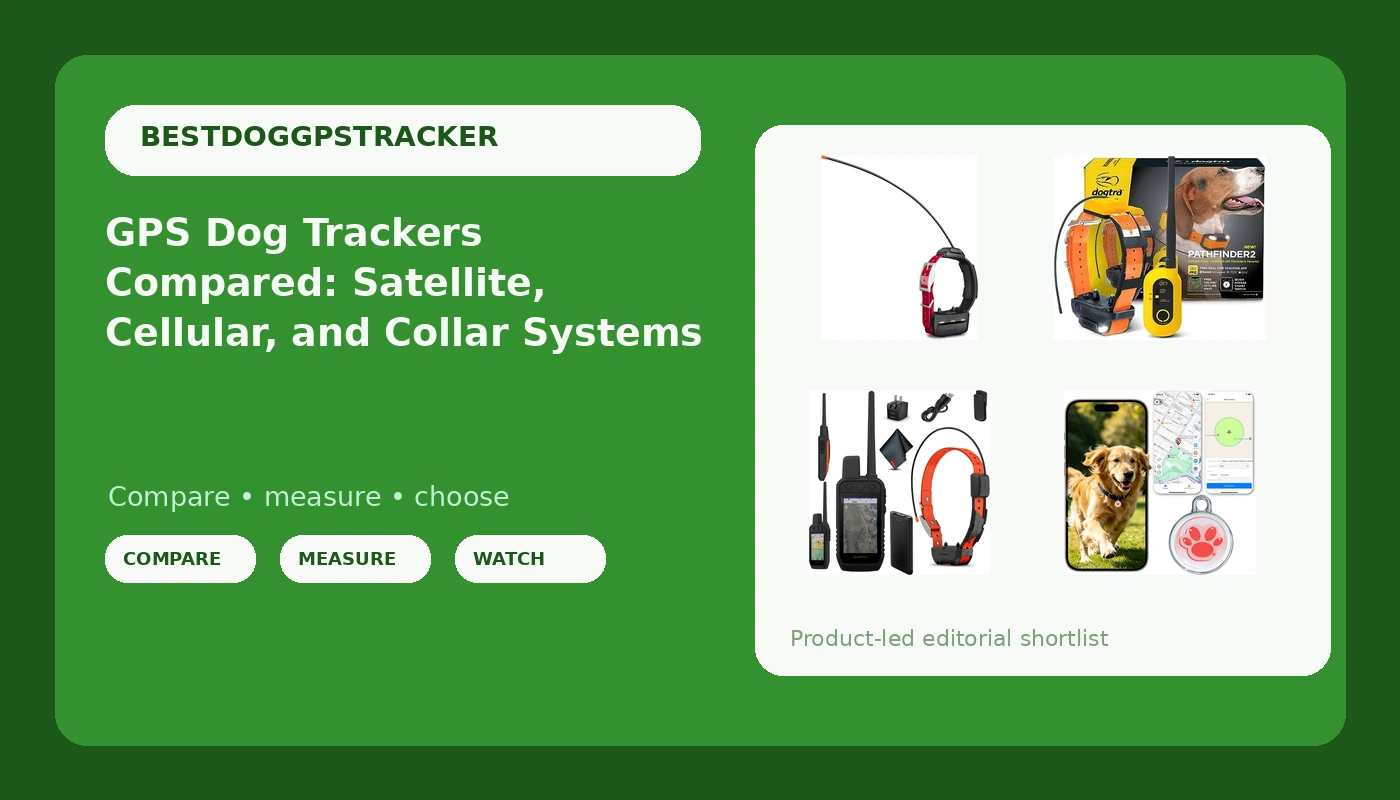
I lost my husky for 11 hours in the Deschutes National Forest, and the app on my phone was useless the entire time. A neighbor found her, not a satellite. That was the year I stopped reading spec sheets like marketing and started keeping a logbook: satellite lock times, battery duty cycles, and how each unit behaved once the bars dropped to zero. Four years and about 2,000 trail miles later, this dog GPS tracker comparison is the version of that logbook I would hand to a friend standing in a trailhead parking lot at dusk.
Related: How to Fit a GPS Collar So It Stays on a Running Dog
The short answer: for off-grid work, buy a satellite-direct system with a handheld receiver, because that is the only class of device that keeps reporting when your phone does not. For a suburban dog that bolts through an open gate, a cellular tracker is cheaper and perfectly adequate. The four units below split cleanly along that line, and the least expensive one is not the one that will find a dog in a canyon.
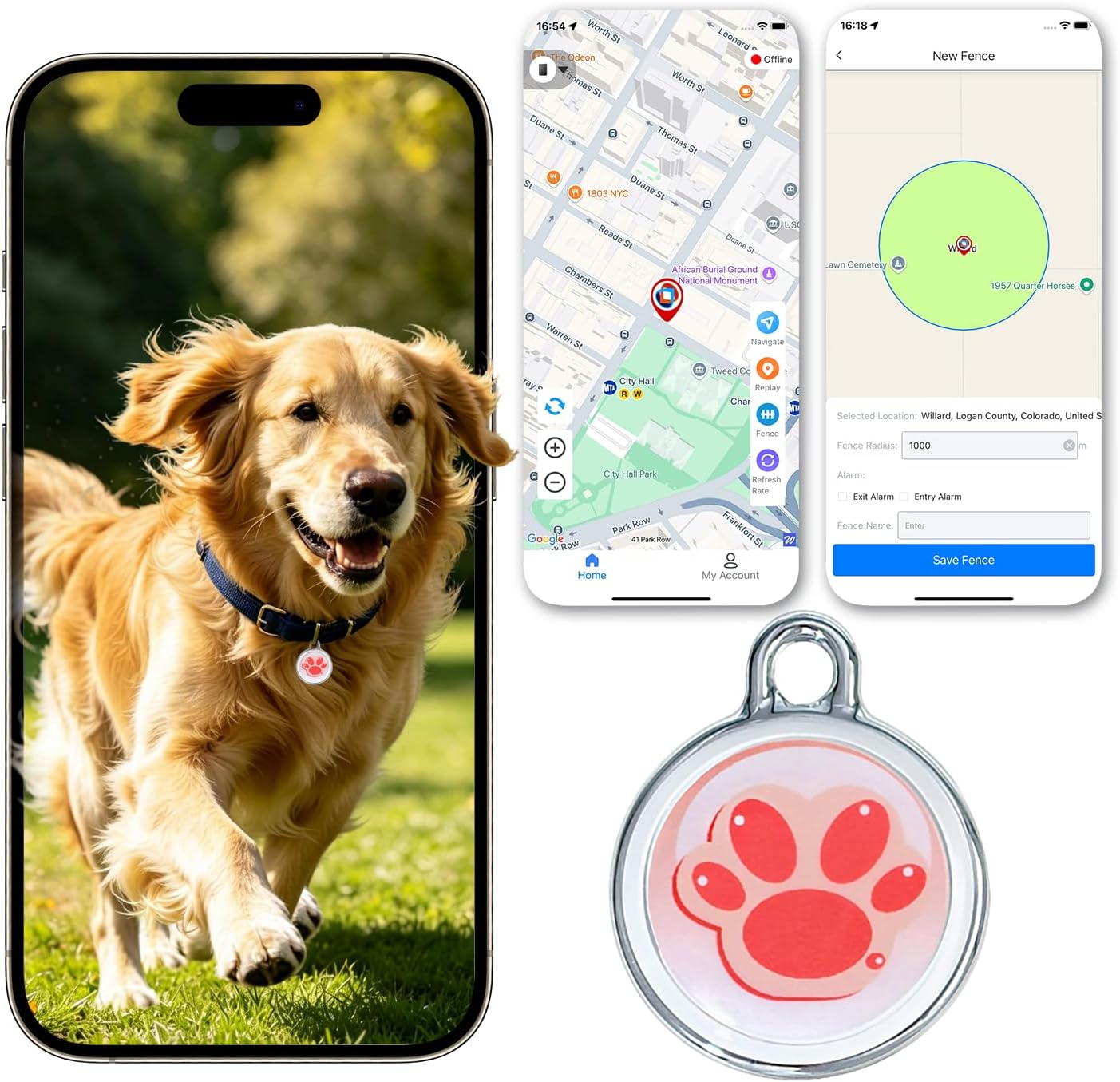
GPS Tracker for Dogs, Smart Dog Tracker with Real-Time Location
Lowest upfront cost here, simple app, easy first tracker
Needs cellular coverage, so it fails exactly where dogs get lost
Garmin 010-01486-00 TT 15 Mini Dog Device
Rugged collar device, small enough for a medium dog, built for the field
Not standalone, you need a compatible Garmin handheld to read it
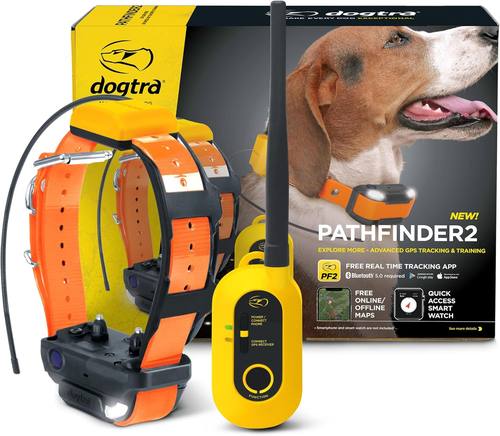
Dogtra Pathfinder 2 GPS Dog Tracker e Collar 9 Mile Long Range LED Light No Monthly fees Free App Waterproof Smartwatch Control Satellite Real Time Tracking Multiple Dogs Smartphone Required
No monthly fee, long advertised range, collar and app in one box
Runs through your phone, which is the weak link in an emergency
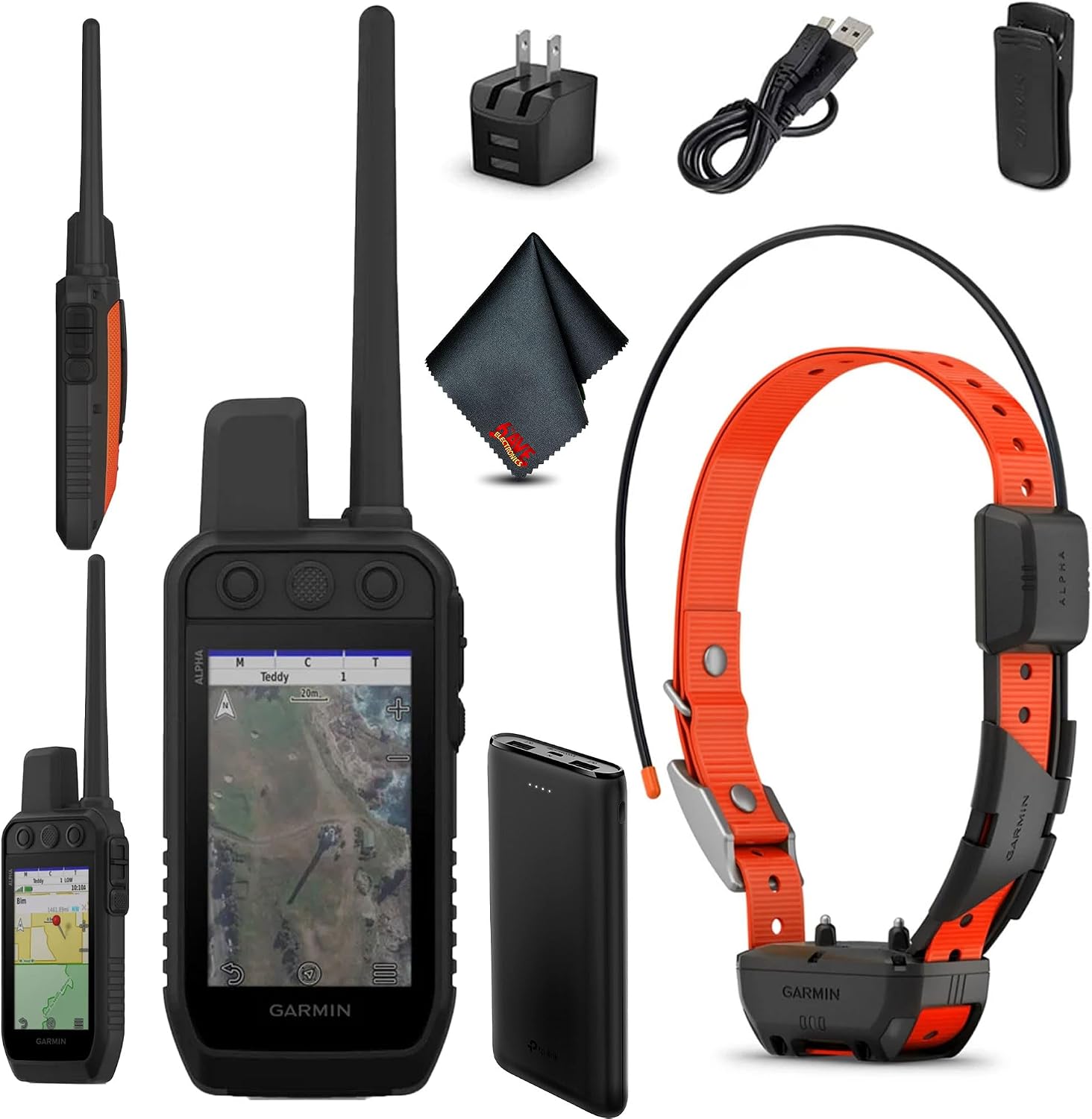
Garmin Alpha 300 Handheld Advanced Training & Tracking System for Hunting Dogs Bundle with Garmin Alpha TT25 Dog Tracking Collar with GPS
Complete handheld plus collar system, works with no phone and no tower
Highest cost here by a wide margin, and the handheld takes real practice
Prices and availability were captured from Amazon Creators API and may change.
How I test trackers
Every unit in this comparison went through three passes before I formed an opinion.
Trail Test. Real off-grid miles in canyons and dense pine, where I log how long the first satellite lock takes, how often it drops, and what the battery does across a full moving day. I do not test on a kitchen counter and call it coverage.
Recovery Drill. A simulated lost dog. I hide a collar in cover and time how long it takes to walk to it using only the device. This is the test that matters, because live tracking is a party trick and recovery is the product.
Buyer's Chair. The math a normal owner actually faces: hardware, plus three years of any subscription, plus the replacement cost if the thing falls off in thick brush.
I also check attachment hardware first. Two of the trackers I have reviewed ended up as litter in the woods because the mount failed, not the electronics.
Satellite direct versus cellular
Two very different technologies get sold under the same three letters, and the difference decides whether your tracker works on the day you need it.
Satellite-direct systems talk to satellites for position and then push that position over their own radio link to a handheld receiver you are holding. No cell tower, no data plan, no app that has to load. This is the architecture that survives a canyon.
Cellular trackers use GPS for position and LTE for delivery. The collar knows where it is, then asks a cell network to carry that number to your phone. In a neighborhood with five bars that is excellent, and the live map updates fast enough to be genuinely useful. In the Deschutes it is a paperweight that still looks like a tracker. I have watched a cellular unit report a position from 40 minutes earlier because that was the last time it had a bar.
That is the whole buying decision for most people. Ask where your dog actually runs. If the answer is the fenced park and the neighborhood, cellular is fine and you should save the money. If the answer includes national forest or anywhere you have personally lost a signal, buy satellite direct and accept the cost.
The budget end: a cellular tracker for the neighborhood dog
The GPS Tracker for Dogs, Smart Dog Tracker with Real-Time Location is the least expensive unit here and the easiest to hand to someone who has never used a tracker. Pairing took me a few minutes, the app shows a live position and a location history, and the hardware is light enough that a 40-pound dog does not notice it on a flat collar. For a dog that slips a gate and wanders three blocks, that combination gets you walking in the right direction within a minute.
What it is not is a backcountry tool. Every position it shows you has to travel over a cell network, and the places I work have no cell network. It also belongs to the class of tracker I complain about most: the ones whose marketing implies unlimited range while the fine print depends entirely on coverage. Read the coverage map for your own trails before you buy, not the product page.
Check current Amazon price, then add whatever monthly plan the app requires. That plan is the real purchase.
The middle: Dogtra Pathfinder 2
The Dogtra Pathfinder 2 is the interesting compromise in this comparison. Dogtra advertises a 9-mile range, no monthly fees, and a free app, and it reports satellite-based positions without a subscription. For an owner who wants off-grid capability but does not want to carry a handheld and does not want another bill, that combination is genuinely attractive.
The catch is the phone. The Pathfinder 2 uses your smartphone as the display, which means your phone has to be charged, alive, and loaded with the app at the exact moment your dog disappears. That is a dependency I dislike, not because the app is bad, but because I have been the person holding a phone at 8 percent battery in the dark. The app also wants a data connection to draw a map, so download offline maps before you leave the trailhead.
Range claims are claims. Nine miles is a number measured under ideal conditions, and every system I have tested shrinks dramatically in terrain with ridges, timber, and moisture. Treat advertised range as a ceiling, not a promise.
The Garmin TT 15 Mini: a collar, not a system
This one needs the most careful reading of anything here, because the Garmin 010-01486-00 TT 15 Mini Dog Device is a collar-mounted device, not a standalone tracker. On its own it shows you nothing. It is designed to work inside Garmin's handheld ecosystem, transmitting a position to a receiver you hold in your hand.
If you already own a compatible Garmin handheld, the TT 15 Mini is the small-dog option: light, rugged, and built for the kind of abuse a working dog delivers. It is the unit I would put on a 25-pound dog that spends weekends in the mountains with an owner who already carries the handheld.
If you do not own a handheld, do not buy this first. You will be holding a very well-built collar with no way to read it. Check compatibility with your specific handheld model before you order, because that ecosystem spans several generations.
The Garmin Alpha 300 bundle: the full system
The Garmin Alpha 300 Handheld Advanced Training and Tracking System bundled with the Alpha TT25 collar is the most complete kit here and the one I would take on a real search. You get a handheld with a screen, a collar, and a radio link that does not route through a cell tower or a phone. Position updates keep coming when the bars are gone, and the recovery toolset, meaning last known location, on-screen direction and distance, and a light you can trigger at night, is the most complete of the four.
It is also the most expensive by a wide margin and the one with the steepest learning curve. The handheld is a serious piece of equipment with menus, maps, and settings that reward an evening of practice. If you will not spend that evening, you are paying for capability you will not use.
One note on scope: this system includes training functions. I review trackers for recovery, not for correction, and my interest in this bundle is entirely the tracking side.
Recovery features matter more than the live map
Every app has a live map, and the live map is the least important thing on the screen. What saves a dog is the boring list:
- Last known location that renders without a signal. If your app needs bars to draw the last dot, the last dot is worthless.
- Geofence alerts that fire when the dog leaves a boundary you set. This turns a search into a two-minute walk.
- A light you can trigger remotely. At 9 p.m. in timber, a blinking collar is worth more than a satellite.
- Attachment that survives brush. A tracker on the ground is not tracking anything.
Judge every unit here on that list before you look at screen size or refresh rate.
The three-year cost math
Nobody wants this section, and it is the one that changes the decision.
A cheap cellular tracker is only cheap until you add the plan. Ten to fifteen dollars a month is $360 to $540 over three years, which is more than the hardware in most cases. Budget for it or do not buy it, because a tracker whose subscription lapses is a rock on a collar.
The Dogtra Pathfinder 2 and the Garmin systems charge no monthly fee, which is why their hardware costs more. Over three years the no-subscription units often land closer to the subscription trackers than the sticker prices suggest, and the Garmin Alpha 300 bundle stays the most expensive either way. It is the only one here I would call a professional tool with a professional price.
Run your own numbers with your own plan rate, not the promotional first-year rate. The promotional rate is not the price.
Trade-offs I will not pretend away
A subscription is not evil. It pays for cellular data, servers, and app updates, and some owners get real value from a live map that refreshes every few seconds in a city.
What I will not do is pretend a cellular tracker is an off-grid tool, or that advertised range is measured under the conditions you will actually meet. And I will not recommend a tracker that has to be recharged more often than the dog's water bottle gets refilled. Battery duty cycle is the whole product. A tracker that dies at hour 14 of a 16-hour day is a rock with a subscription.
Who should buy which
- The neighborhood dog owner. The GPS Tracker for Dogs, Smart Dog Tracker with Real-Time Location. Cheapest entry, simplest app, adequate anywhere you have bars.
- The Garmin household. The Garmin 010-01486-00 TT 15 Mini Dog Device, if a compatible handheld is already in your truck. Small, tough, one job done well.
- The off-grid owner who wants no subscription. The Dogtra Pathfinder 2. Satellite positioning, no monthly bill, and a phone-based interface you have to manage carefully.
- The professional or the serious hunter. The Garmin Alpha 300 bundle. Most capable, most expensive, and the only one here that behaves like field equipment rather than an accessory.
Buy for the worst day, not the average one. The average day does not need a tracker at all.