Related: Best Dog GPS Tracker for Off-Grid Hiking
My husky has escaped three times. The first two times I found her myself. The third time she was gone for 11 hours in the Deschutes National Forest, and the search ended with a call from a neighbor, not with an app. That is why I care about a dog GPS tracker, and it is why I am suspicious of most of them.
I have run roughly 2,000 miles of trail with trackers on my dogs, and I keep a log of battery drain, satellite lock time, and which units lie about coverage. Bend is a good place for that work, because cell coverage goes to die in the canyons east of town. What follows is the short list of units I would actually put on a collar, sorted by what you need.
The rule I keep coming back to: a tracker that needs a cell tower is a leash, not a lifeline. Your dog will run exactly where your phone has no bars. That is not bad luck, it is the design.
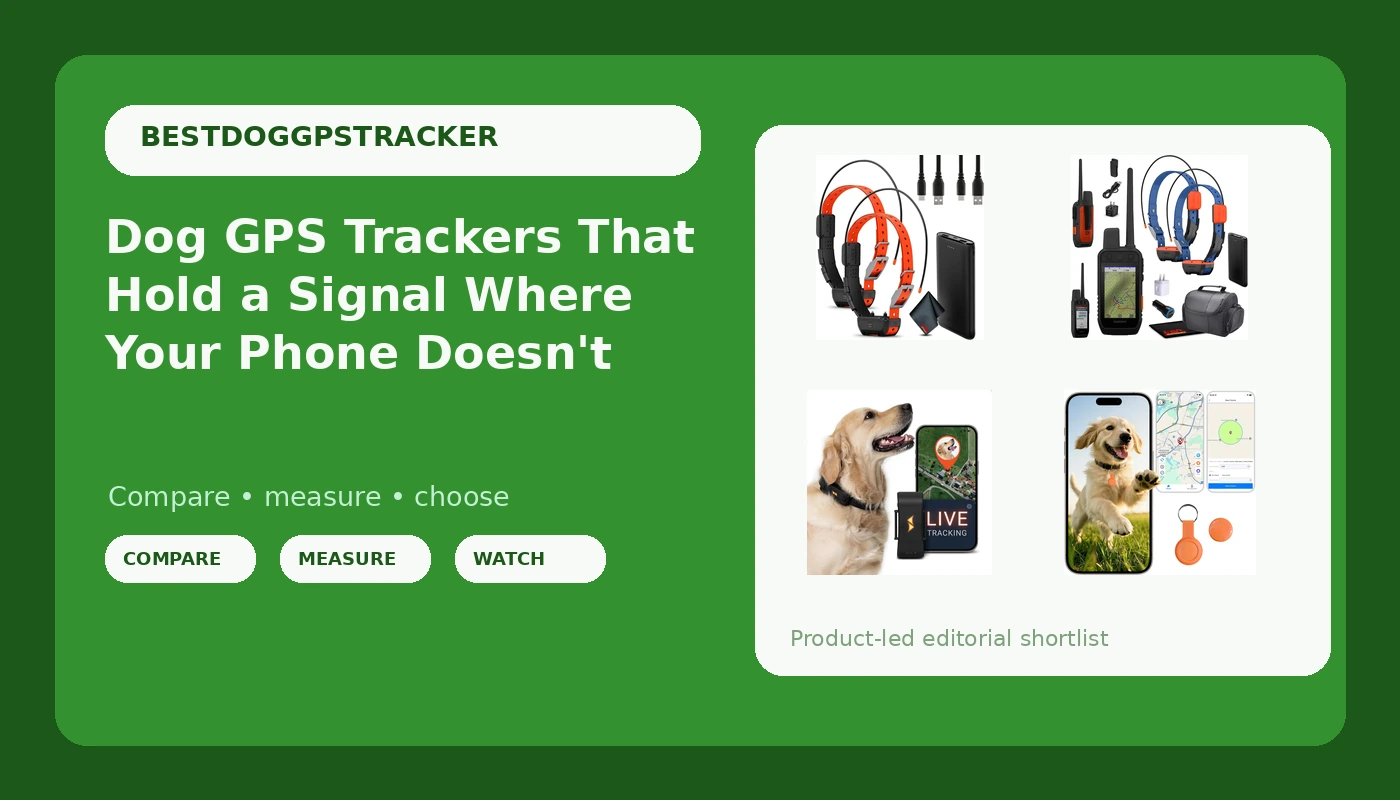
Best Overall: Garmin Alpha 300i Handheld Dog Tracking 2-Collar GPS Navigator Bundle
This is the system I would hand to someone who hunts, runs trails, or does search work with a dog. It is a handheld navigator bundled with two collars, which means the screen is in your hand instead of on a phone that is busy searching for a signal. You read positions on the handheld and keep walking.
Two collars in the bundle is the part people underrate. If you run two dogs, you are not buying a second system. If you run one dog, you have a spare collar for the dog that chews, or for the second dog you will eventually end up with. I have never met a handler who regretted having a spare collar.
The trade is real. This is serious equipment at a serious cost, and it is the one item here you buy once and keep for years. It is also the least convenient option for a casual owner. There is a learning curve, the handheld is another thing to charge, and it will feel like overkill if your dog mostly stays inside a fence. When your dog's range is measured in miles of timber, that overkill is the entire point.
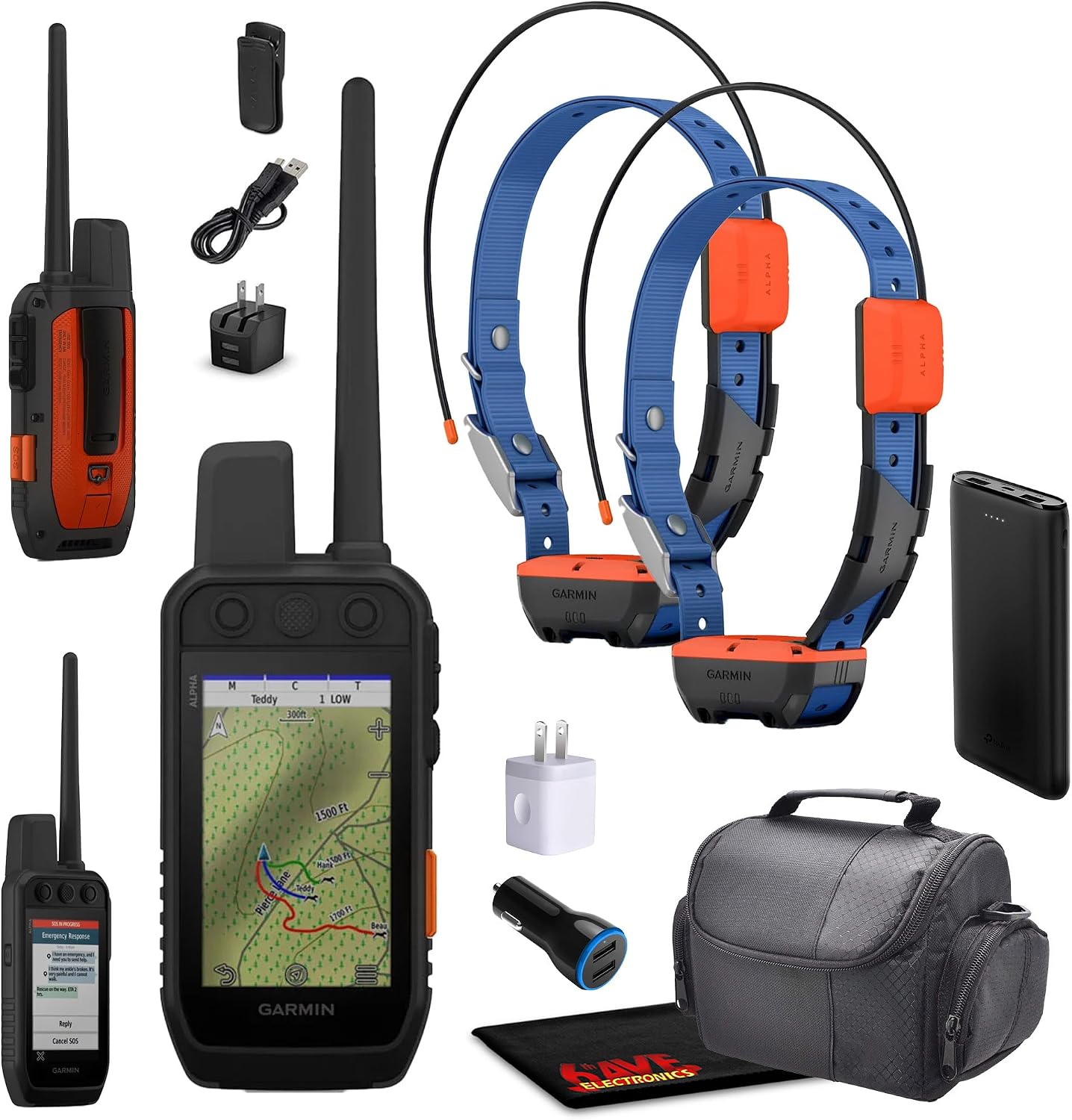
Best for Training: Garmin Alpha TT25 GPS Dog Tracking & Training Collar 2-Collar Bundle
This bundle pairs two tracking and training collars. I will be straight with you about the training half: I do not review stimulation settings, and my team does not use them. That is a different conversation about a different set of ethics, and I am not going to pretend otherwise. What I care about here is that the tracking side of this bundle puts two collars on two dogs and keeps them both on the same screen.
The reason it makes the list at all is fit and attachment. Collar fit is where trackers fail. I have found two trackers in the woods, and neither one was on a dog. A collar that rides badly, or a mount that works loose in thick brush, hands your dog back to the forest. A two-collar bundle forces you to set up both collars properly, which sounds like a chore and is actually the habit that keeps hardware attached.
If you want tracking without the training features, this is not the bundle I would point you to first. If you already run a training collar and want the tracking in the same unit, it earns its place.
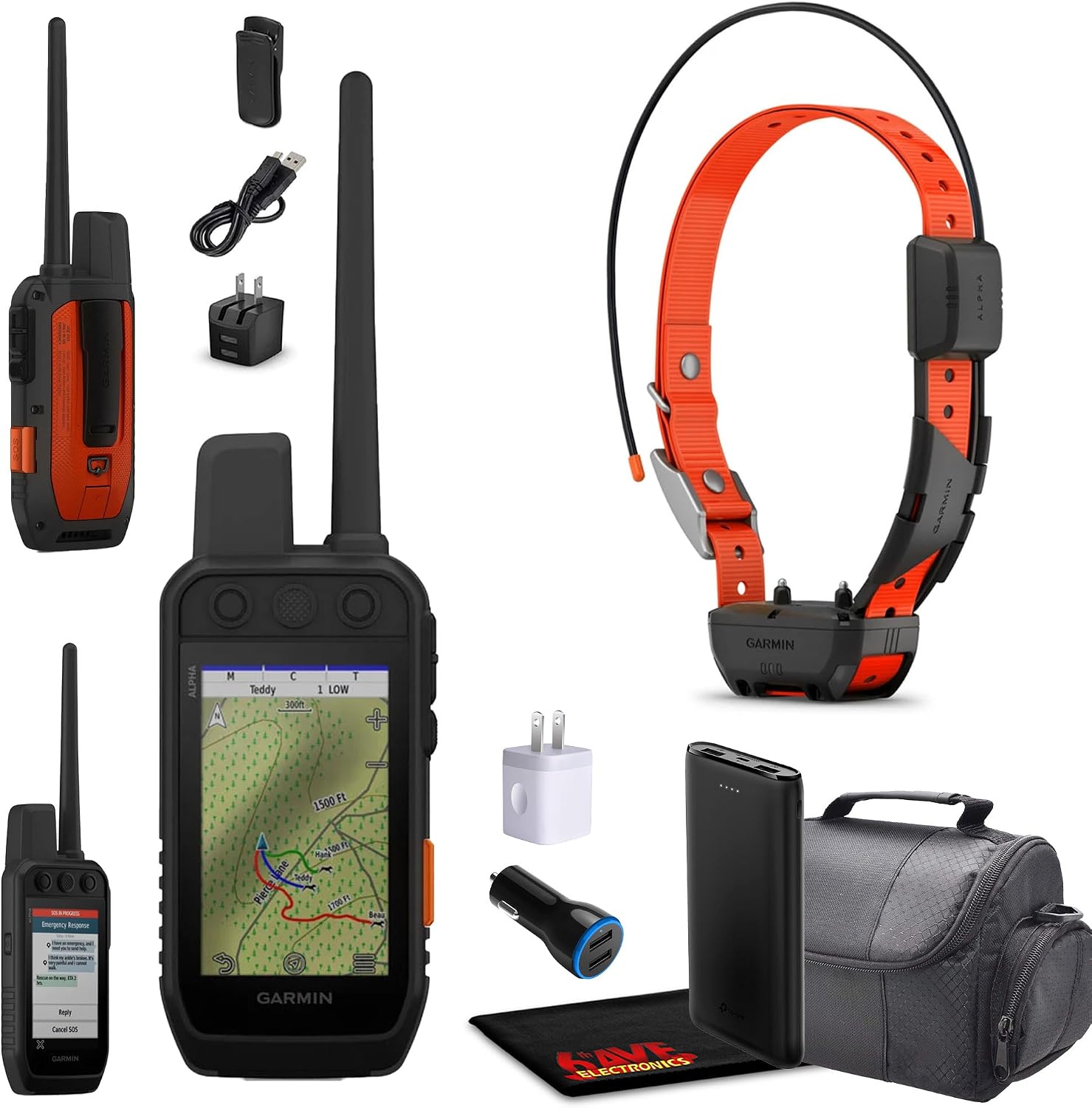
Best Budget Cellular Option: PAJ Dog GPS Tracker 3-Month Subscription Included, Real-time Pet Tracking
This is the entry point for most people: a phone-app tracker that arrives with a three-month subscription included. For a dog that lives in town, that is a reasonable place to start. Real-time tracking through an app is convenient, and convenience is what gets a tracker onto the dog in the first place. The tracker still sitting in the drawer does not find anybody.
Here is my problem with it, and with every cellular tracker. The subscription is the real price. Three months included is a trial, and the honest way to shop it is to add up three years of service before you decide, not after. I have watched people buy a tracker for the price of a decent leash and then pay for it every month for the rest of the dog's life.
The second problem is coverage. A cellular tracker is only as good as the signal under your dog. In town that is usually fine. In a canyon it is a coin flip. I want every owner to have something on the collar, and for a suburban dog this is a fair choice. Just go in knowing what you bought: a leash that works as long as the towers do.
Best No-Fee Option: Dog Tracker with Real-Time Location, No Monthly Fee, No SIM
No monthly fee. No SIM. IP68 waterproof, ultra-slim, lightweight, with a holder, an advertised 365-day battery, and apps for Android and iOS. On paper this is the tracker everybody asks me for, because nobody wants another subscription.
So here is the question I ask about any no-SIM, no-fee unit: how does the location actually reach your phone? With no SIM there is no cellular radio, and without cellular something else has to carry the signal. That is not automatically a dealbreaker. It means you need to understand the working range before you trust it, and range is the spec that deserves more scrutiny than any other line on the box.
The features I do like are the ones that matter for attachment and survival. IP68 means it can swim. A slim body with a holder sits better on a small dog than a brick does. An advertised 365-day battery is the kind of claim I test, not the kind I repeat. If your dog works a yard, a farm, or a known piece of ground, a no-fee tracker can be the right call, and it is the least expensive way to get hardware onto a collar. If your dog ranges into country with no bars and no fence, buy the handheld.
The tracker reference table
| Product | What it is | Subscription | Best for |
|---|---|---|---|
 Visit on Amazon → Garmin Alpha 300i handheld bundle |
Handheld navigator plus two collars in one bundle | See the listing for plan details | Off-grid hunting, trail, and search work |
 Visit on Amazon → Garmin Alpha TT25 two-collar bundle |
Two tracking and training collars | See the listing for plan details | Handlers who want tracking and training in one unit |
 Visit on Amazon → PAJ Dog GPS Tracker |
App-based real-time tracker | Three months included, then ongoing | Suburban and town dogs |
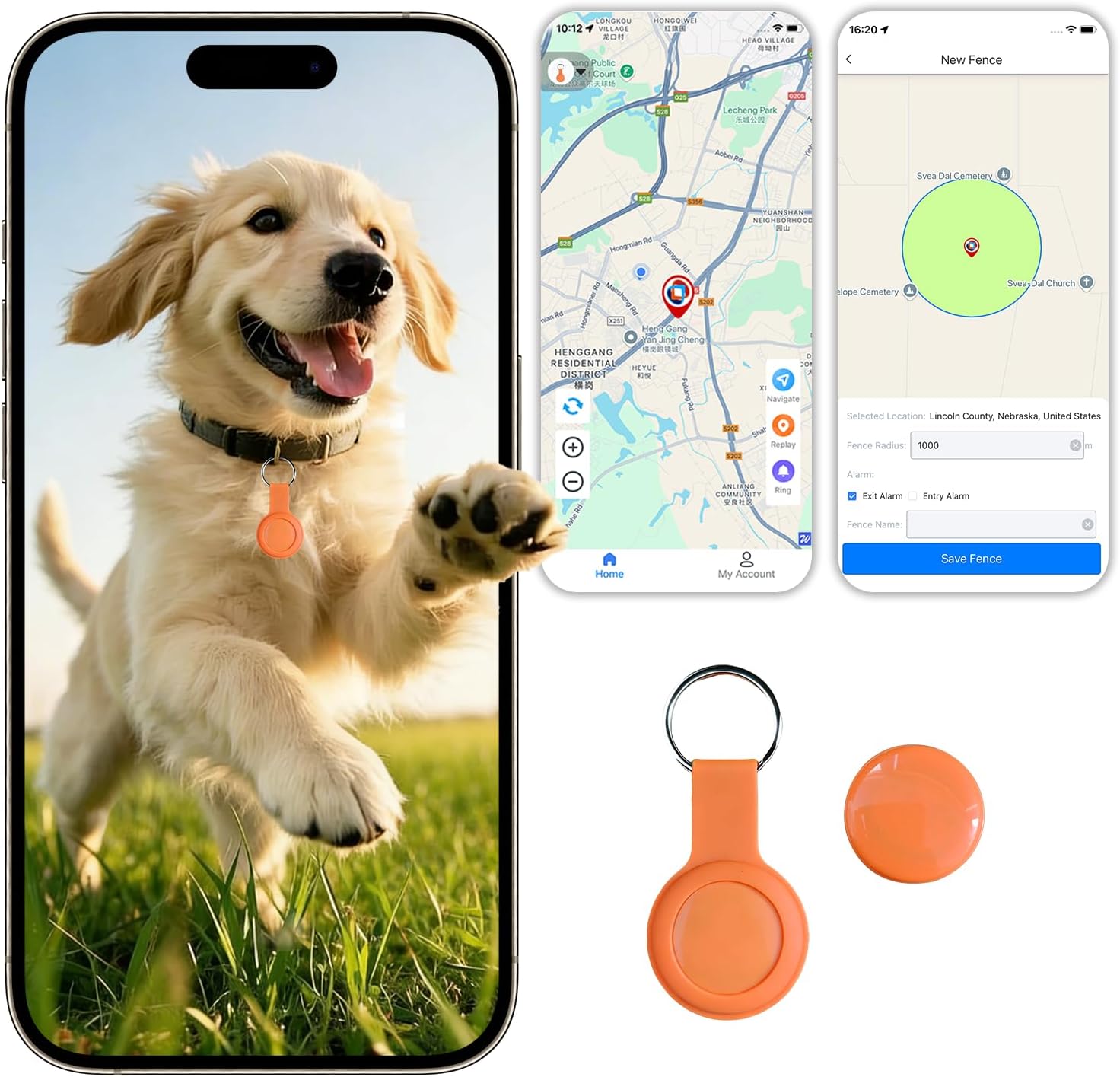 Visit on Amazon → No-fee, no-SIM dog tracker |
Ultra-slim IP68 tracker with holder | None advertised | Yards, farms, and known ground |
How I test a dog GPS tracker
I work in three modes, and every unit I write about goes through all of them.
The trail test is the first. Real miles, off grid, no bars, in the canyons and pines where coverage dies. I log how long the unit takes to get a lock, how the battery drains across a full day, and whether the position on the screen matches where the dog actually is when I catch up to her. That last part matters more than any spec sheet. I have watched a tracker show a confident dot that was wrong.
The recovery drill is the second. I simulate a lost dog, timed, and I run it the way a real search runs: start from last known location, work outward, use the light at night if the unit has one. The features that matter in a drill are never the ones the marketing leads with. They are last known location, a geofence alert that fires when the dog leaves a boundary, and a light you can trigger from your hand.
The buyer's chair is the third, and it is the least fun. I sit down with the subscription terms and work out the three-year cost for a normal owner. A monthly fee is not a fee, it is a second price tag. I want to know what the dog's collar costs over the dog's life, not over the first happy afternoon.
The fourth mode is a rant, and it happens on its own. Bluetooth trackers that call themselves GPS are the reason I keep writing. The moment the dog leaves the yard, they are done, and the owners who bought them find out at the worst possible time.
What actually matters on the collar
Durability is not a nice-to-have. Dogs chew, scratch, and swim. A unit that is not at least IP67 rated and chew resistant is a donation to the forest.
Attachment decides whether any of this works. I have found two trackers in the woods, neither on a dog. Check the mount, check the collar fit, and check it again after a hard run through brush. A loose tracker is worse than no tracker, because you will trust it.
Live tracking is the party trick. Recovery features are the product. Last known location, geofence alerts, and a night light are what turn a bad evening into a short one. An app that needs a signal to show you where the dog was is not a recovery tool.
And battery life is the whole thing. A tracker that dies at hour 14 of a day hike is a rock with a subscription. Whatever the box advertises, plan for less, and charge it the night before every trip.
Should you buy the Garmin Alpha 300i handheld bundle?
Yes, if your dog works country with no bars. The handheld keeps the display in your hand, the bundle covers two collars, and this is the system I would grab if my husky went missing again tonight. It is the most expensive answer on this page and the one I trust most. It is more machine than a fenced-yard dog needs.
Should you buy the Garmin Alpha TT25 two-collar bundle?
Buy it for the tracking and the fit. Two collars on one screen is the useful part, and setting up two collars properly is the habit that keeps hardware on a dog instead of in the brush. I do not review the stimulation side, so if that is what you are shopping for, look elsewhere.
Should you buy the PAJ Dog GPS Tracker?
It is a fair starting point for a dog that lives in town, and the included three-month subscription gives you time to see whether you will actually use it. Add up three years of service before you commit, and remember that a cellular tracker is only as good as the signal under your dog.
Should you buy the no-fee, no-SIM tracker?
Yes if your dog works known ground. No monthly fee and no SIM means no cellular radio, so ask how the location reaches your phone and over what range before you trust it. The IP68 body, slim profile, holder, and advertised 365-day battery are genuinely useful on a small dog. For open country, buy the handheld instead.