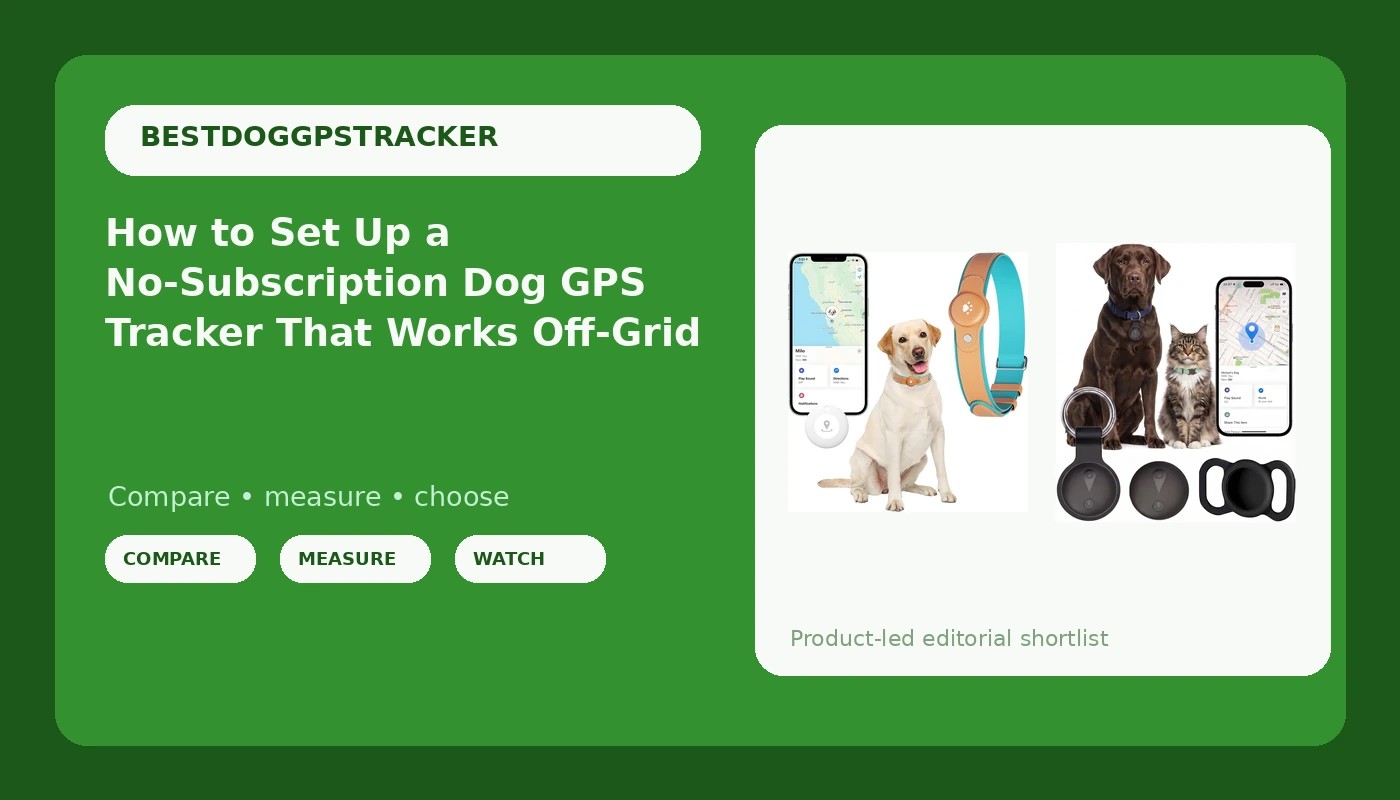
A no-subscription dog GPS tracker removes the monthly bill. It does not remove the homework. That is the part most buyers skip. They order the collar, snap it on the dog, drive to the trailhead, and find out on mile three that the app stopped updating somewhere back near the parking lot.
I live in Bend, Oregon, and I run search-and-rescue callouts in the Deschutes National Forest, where cell coverage dies about four miles past the last cattle guard. I have owned a husky who treated every fence as a suggestion, and I have found two trackers in the woods, neither of them attached to a dog. So I care far less about what the box promises and far more about what happens at hour fourteen of a wet, cold day.
This is the setup routine I run on every tracker that comes through my house, plus the two no-fee units I would put in front of a normal dog owner first.
Why you should trust me
I have spent four years and roughly 2,000 trail miles testing GPS trackers on dogs, and I keep a log of the boring numbers: how long a unit holds a GNSS lock under dense pines, how fast the battery drains when the update rate is set to every ten seconds, and which apps will show a last known location when there is no signal and which ones just spin. My SAR team uses the same log to decide what goes in a pack. Nobody pays me per click, and I do not sell anything. I am the person who gets called when a dog is missing, so my bias runs toward recovery features, not features that look good in a demo video.
How I judge a tracker before it goes on a dog
Three things decide whether a unit is a tool or a toy.
GNSS versus cellular. A tracker that needs a cell tower to report a position is a leash, not a lifeline. The unit may receive satellite data fine and still have no way to send that position to your phone. Before you buy anything, ask what happens when your dog is standing in a canyon with no bars. The honest answer for most cellular trackers is: you get the last position it managed to upload, and nothing more.
Battery duty cycle. Battery life is the whole product. A tracker that dies at hour 14 on a day hike is a rock with an app attached. Rated battery life is always measured at the slowest update rate in the warmest conditions the manufacturer can find. Cold weather, thick cover, and a fast update interval will all cut that number down, sometimes in half. I plan around the worst case, not the brochure case.
Attachment and rating. Dogs chew, scratch, swim, and bulldoze through manzanita. A housing that is not at least IP67, with a strap and mount that survive a hard tug, is a donation to the forest. I have personally watched a tracker pop off a plastic clip in heavy brush and disappear.
Recovery features beat live tracking. Live tracking is a party trick that works beautifully in a park and fails exactly when you need it. What matters is a last known location that renders without a fresh signal, a geofence alert that fires when your dog leaves the yard, and a light or tone you can trigger at night or in tall grass.
What you need before the first walk
- The tracker, charged to full, and its charging cable stored where the dog cannot reach it.
- The companion app installed, your account verified, and a second contact added.
- A collar that fits snugly: two fingers under the strap, no more.
- A metal D-ring or a sturdy attachment point, not a plastic clip.
- A backup ID tag with your phone number. A tracker is not a substitute for a tag.
- A helper for the first range test, and about an hour of daylight.
The two no-subscription trackers I would start with
Both units below are sold without a monthly plan, which is the model I recommend to owners who hike a few times a month and do not want a $360 bill over three years. Neither one is a satellite-direct unit, so run the range test in this guide before you assume anything about the backcountry.
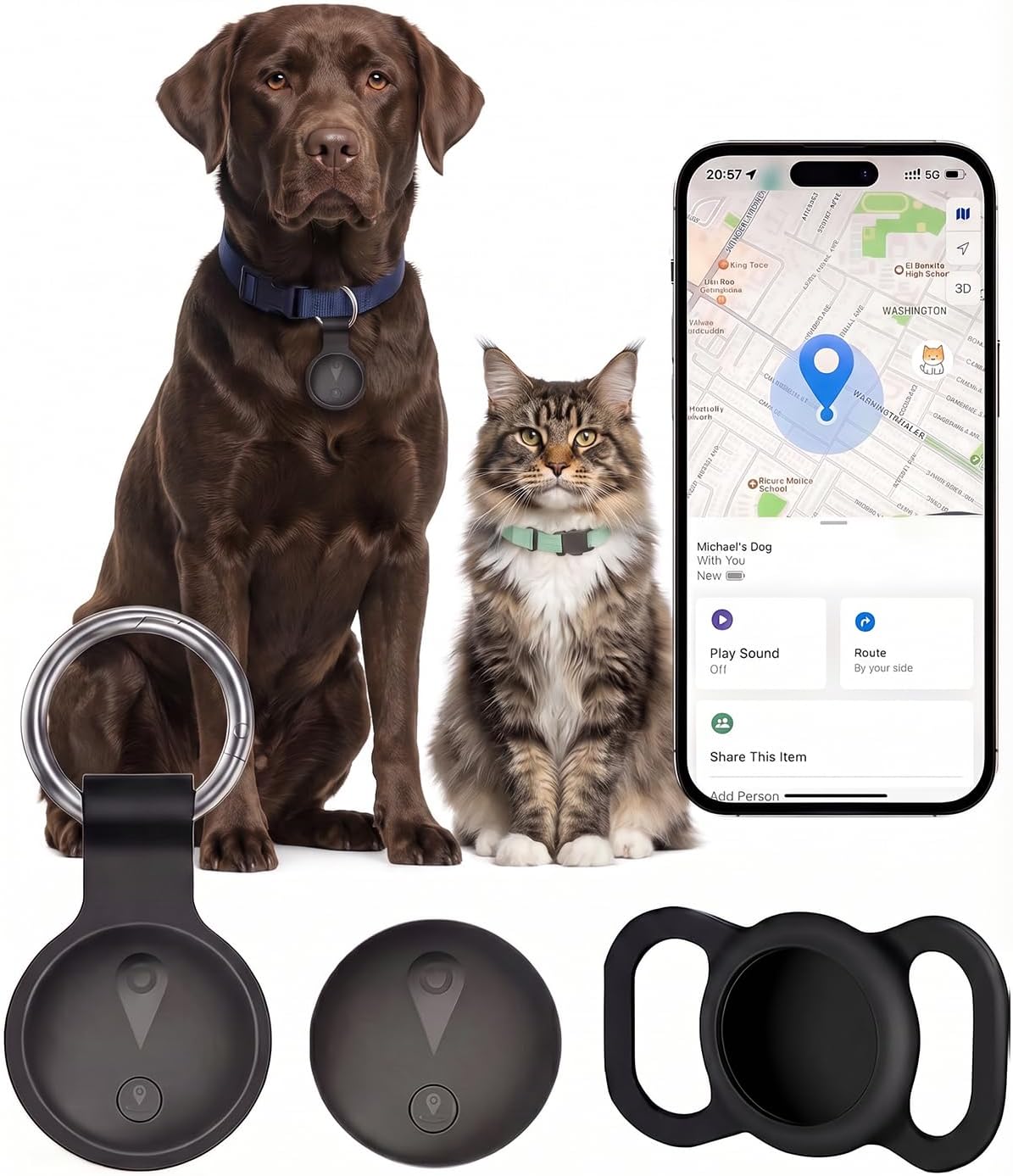
Budget pick: GPS Tracker for Dogs, Smart Dog Tracker with Real-Time Location, for Android and iPhone No Monthly Fee & No SIM Card- Pet Location Tracker with Holder, IP68 Waterproof, Indoor & Outdoor Pet Safety Use
 Visit on Amazon →
This is the one I would hand a first-time buyer. The listing describes a holder-style tracker with real-time location in a phone app for both iOS and Android, an IP68 waterproof rating, and no monthly fee or SIM card. That last part is the reason it made this list. You buy it once and you are done paying.
The holder format is the quiet advantage. A tracker that lives in a separate holster can be moved between collars, which means one unit can cover a puppy's growing collar and an older dog's everyday strap. It also means you can pull the unit and charge it without wrestling the whole collar off a wiggling dog, which sounds trivial until you do it in the dark.
What I would verify on day one: how the app behaves when the phone loses signal, and how far the unit reports before updates stop. The listing does not promise unlimited range, and you should not assume it. Run the pocket test in the steps below and write the number down.
Flaws but not dealbreakers: A holster adds one more thing that can be lost if you swap collars in a hurry. Pick one collar and leave it there. Also, IP68 covers splashes and swims, not a determined chewer, so keep it high on the neck and out of reach during crate time.
Anyone with a fenced yard, a dog that door-dashes, or a campground regular will get the most out of this one.
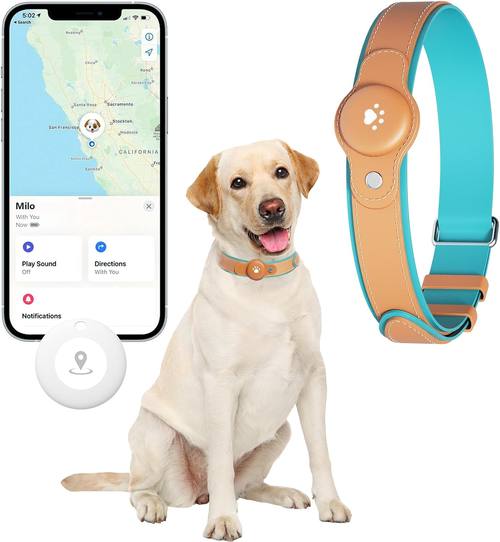
Upgrade pick: New GPS Tracker for Dogs: Smart Pet Collar with Real-Time Tracking,No Monthly Fee/Subscription (iOS & Android) Waterproof, Anti-Lost,365-Day Long Battery Life GPS Tracker Dog Collar(Tracker Included)
 Visit on Amazon →
This is the integrated version: the tracker is built into the collar rather than clipped into a holder, it is sold with no subscription, and the listing claims a 365-day battery life with waterproof construction and anti-lost tracking through an iOS or Android app.
The collar-integrated design is the reason it is my upgrade pick. There is no holster to lose and no separate housing to re-seat after a swim. On a dog that crashes through brush, fewer moving parts is a real safety feature, not a style choice.
Treat the 365-day number the way I treat every battery claim: as a best case measured at a slow update rate in mild weather. If you set the app to update every few seconds for a trail day, you will not get a year, and anyone who tells you otherwise has not logged a winter. Charge it monthly, keep a spare cable in the truck, and the claim stops mattering.
Flaws but not dealbreakers: An integrated collar means the whole thing comes off for charging, so you need a second collar for the dog to wear while it tops up. Order that at the same time, not later. Sizing also matters more here, so measure the neck before you buy rather than guessing from a photo.
Anyone who hikes long days, swims with their dog, or wants the tracker to be one object instead of two should start here.
The actual setup workflow
This works on either unit above, and on most no-fee trackers on the market.
Step one: Charge it to full and time the charge. Note how long a full charge takes, because that is your definition of "topped up" from then on. A tracker that takes six hours to charge is not something you can rescue at 6 a.m. before a hunt.
Step two: Pair it in the app and name the profile. Use your dog's real name and add a second phone number. If your dog ends up with a stranger, the second contact is the one that gets called when you are out of service.
Step three: Slow the update rate for home use. Most apps let you choose how often the unit reports. A fast interval is for the trail; a slow interval is for the yard. This single setting decides whether your battery lasts weeks or days.
Step four: Run a range test in your own terrain. Put the tracker in your pocket. Have a helper watch the app and call out the moment the pin stops updating. Walk away until they call it. That distance is your real coverage, not the number on the box. Repeat it once in the woods you actually hike, because trees, hills, and canyon walls all eat range.
Step five: Set the geofence. Draw a safe zone slightly larger than your yard, then test it by walking out with the tracker in your pocket before you trust it with the dog. A geofence you have never triggered is a setting, not an alert.
Step six: Fit the collar properly. Two fingers under the strap. Trim the excess tail and seal the cut end so it does not fray. Confirm the attachment point is metal, not a plastic clip.
Step seven: Do the tug test. Pull firmly on the housing. If it shifts, rotates, or the strap slips, it will not survive thick brush. Add a zip tie as a backup if the mount allows one.
Step eight: Run a recovery drill. Have someone hide the tracker in brush about 100 yards off trail while you wait with the app closed. Then find it using only the app. Time yourself. Do this once a season. It is the only test that tells you whether you can actually recover a dog, and it is the test almost nobody runs.
Where trackers actually fail
The failure is rarely the satellite. It is the interface, the battery, or the attachment.
Bluetooth trackers that advertise unlimited range are the worst offenders. They are lost the moment your dog leaves the yard, and they show up in search results next to real GNSS units because they use the same words. If a product's range claim sounds like magic, it is a Bluetooth device with a marketing department.
Cold is the second killer. Battery chemistry does not care about your hike plans, and a unit that reports 30% at the trailhead can drop to zero in freezing wind. On winter days I carry the tracker in an inside pocket until we are moving.
Cables are the third. Dogs chew them in an hour, and a proprietary cable means a dead tracker until a replacement arrives. Buy a spare on day one.
Finally, read the terms even on a no-fee unit. Some apps bundle premium tiers, cloud history, or extra users behind a paywall later. The hardware price is not always the whole price, and a subscription that auto-renews without warning is a pet peeve of mine for good reason.
What I did not include, and why
I left out subscription-based cellular trackers here. They work well in cities and suburbs with reliable coverage, and some of them are excellent products, but a $10 to $15 monthly plan is $360 to $540 over three years, which is more than the hardware. That is a different article and a different budget.
I also left out invisible-fence and shock-collar systems. Different ethics, different job, and they do not help you find a dog that has already left the property.
What this all costs
The two trackers above are one-time purchases, so the three-year math is simple. Hardware, plus a spare charging cable, plus maybe a second collar so the dog is never naked while the tracker charges. There is no monthly line item, and that is the entire appeal.
Compare that with the subscription route: $10 to $15 a month is $120 to $180 a year, or $360 to $540 across three years, on top of the device. If you hike twice a month, the no-fee route wins on cost. If you need live cellular tracking across a whole metro area, pay the subscription and stop pretending otherwise.
The cost nobody counts is your time. The range test and the recovery drill take about an hour, once. That hour is what turns a gadget in a drawer into a tool you can actually use at 9 p.m. in the rain.
The bottom line
A no-subscription dog GPS tracker is only as good as its setup. Charge it, pair it, slow the update rate at home, range-test it in your real terrain, fit the collar so it cannot slip, and run a recovery drill before you ever need one. The budget holder-style unit is the sensible first buy for a yard and campground dog. The integrated collar is worth the step up if your dog swims, crashes brush, or covers long days with you.
Do the hour of work. Then trust the thing, because you have already watched it work.
Check current Amazon price before you order either one, and read the current listing terms yourself.