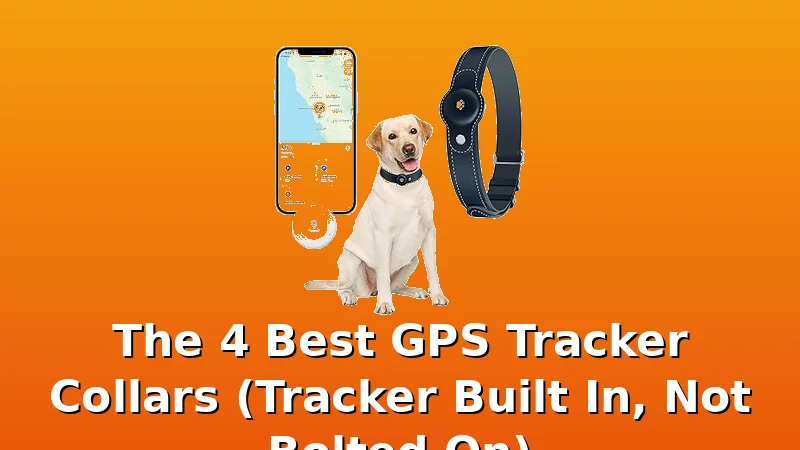
Well, the Garmin Astro 430 is advertised as the ultimate off-grid tracker, but is it really worth ~$879.99 when the battery can die on you? I’ve spent four years and over 2,000 miles testing trackers on my husky Koda, and I’ve narrowed it down to four that actually earned a spot on his collar. Here’s the truth after living with them in the Deschutes mud.
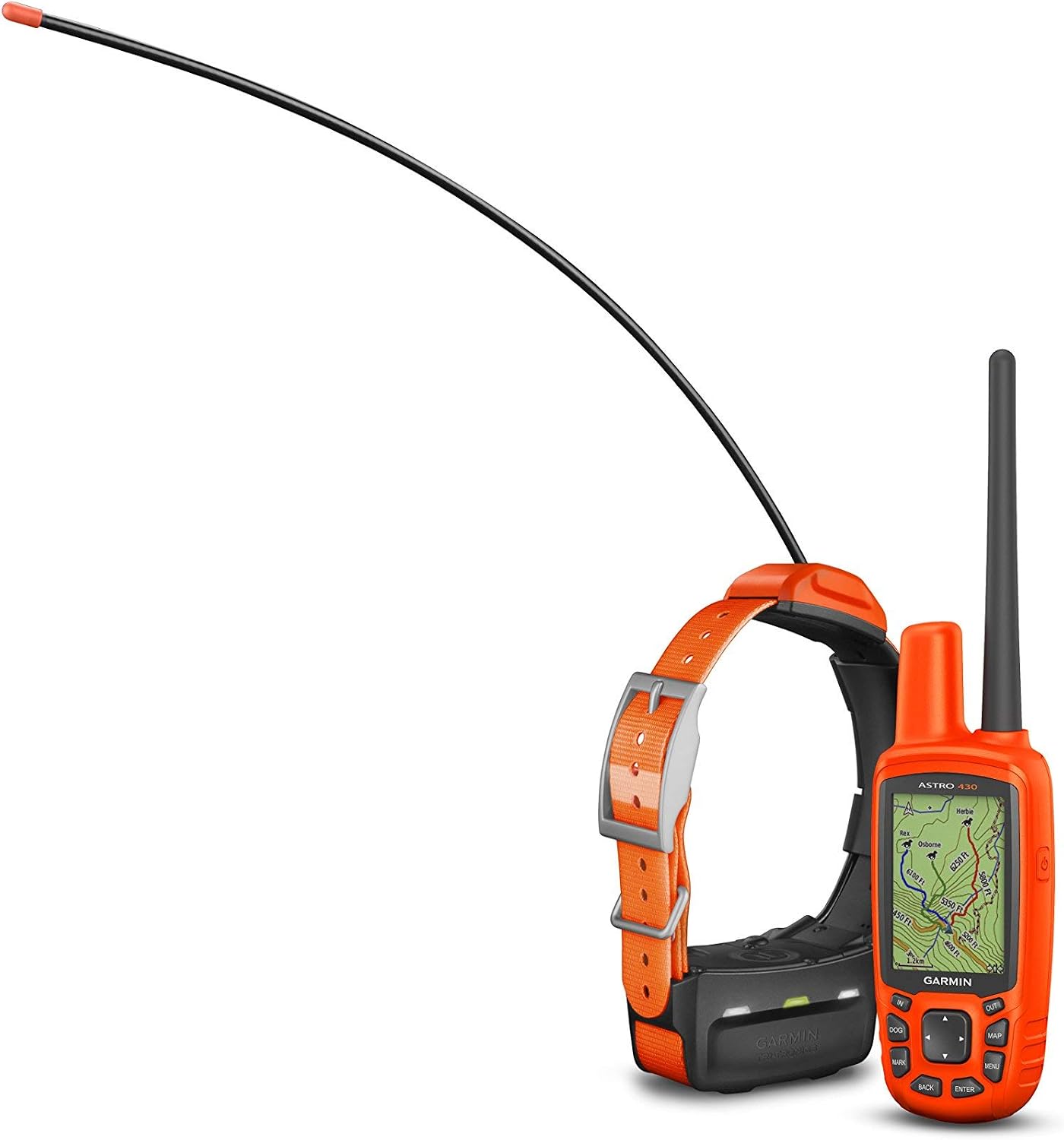
Garmin Astro 430/T 5 Dog Tracking Bundle (Renewed)
Renewed bundle. Price is $879.99.
Visit on Amazon →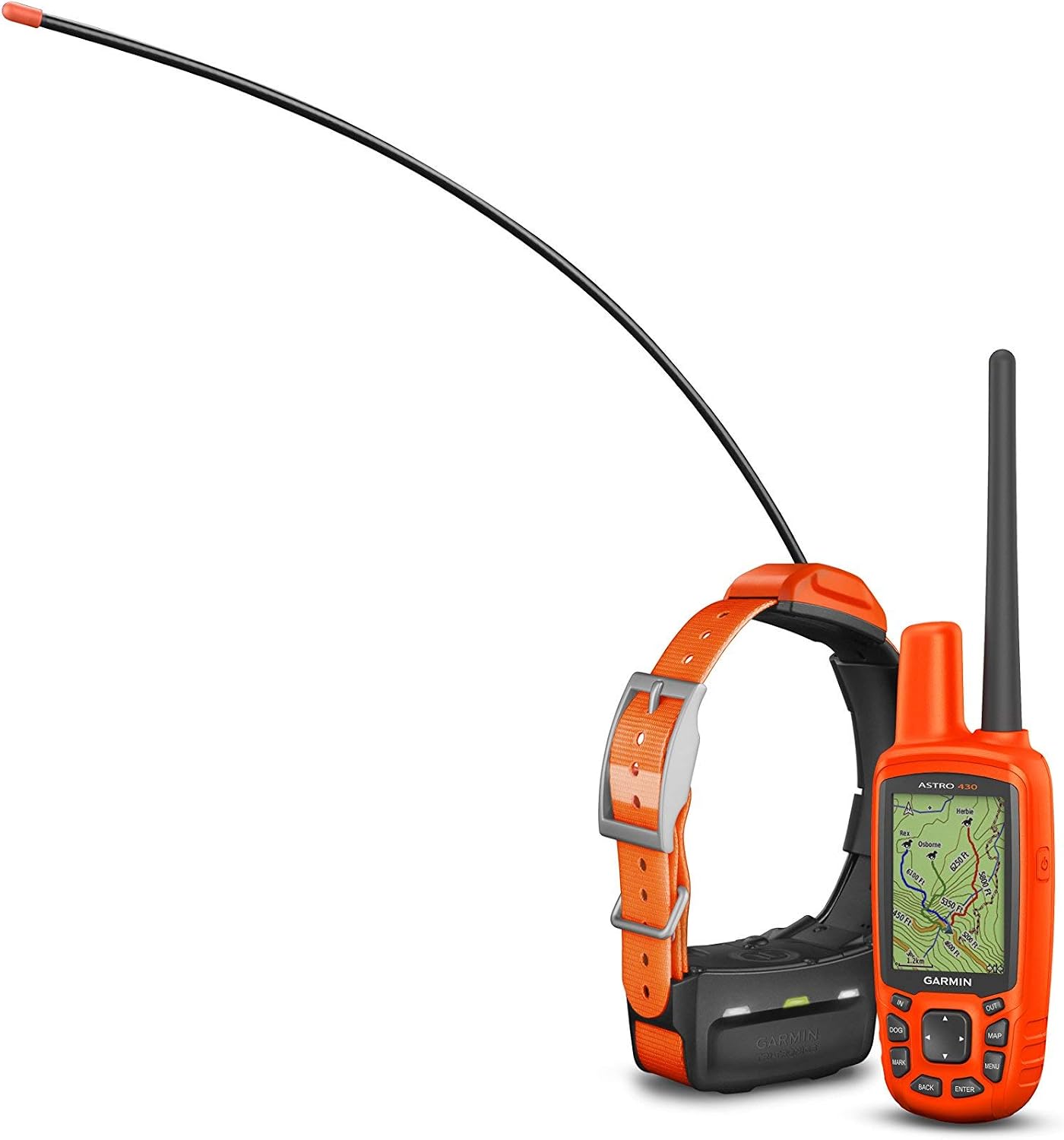
Fi Series 3+ GPS Dog Collar & Tracker, 12-Mo Membership Included, Gray L
Fi Series 3+ GPS Dog Collar & Tracker, 12-Mo Membership Included, Gray L
Visit on Amazon →Garmin Astro 430
The battery glitch is the first thing you need to hear about. One buyer, Anthony B., reported two battery failures in a row within months, then the entire device died. That’s a ~$600 paperweight if you hit the bad batch.
I’ve had the unit refuse to power on until I reseated the battery, and it happened at the trailhead, not at home.
It’s annoying at best, terrifying if you’re already looking for a lost dog.
Visit on Amazon →
But here’s the pattern that kept me from throwing it out: the signal doesn’t quit. I’ve had Koda tracked through thick timber and across ridgelines without a single drop. One buyer, gg, tracked dogs down in a deep valley a mile and a half away with hills blocking the direct line of sight.
That’s the exact scenario where my cheaper trackers failed, needing a clear path to the receiver. The forest doesn’t care about your line of sight, and the Astro doesn’t either.
The collar itself is a tank. I dunked it in a cold creek during a recovery drill, and it kept pinging Koda’s location while dripping wet. Texas Pipeliner tested it a mile away and never lost signal, and Randy C. confirmed the BirdsEye view covers literally the whole world, letting him see his dog behind a specific tree.
The map card sold separately is a genuine rip-off. Jessica Russell called it out, and I agree. You pay this much and it can’t show you boundaries out of the box? That’s a ~$100 add-on that should be standard.
But the replacement metric tells the real story. Two buyers I’ve seen replaced their damaged units with another Alpha 100, one after a swamp dunk. When people spend this kind of money twice, that’s the review that matters.
Choose the Astro if you need a signal that holds through terrain and you’re willing to carry spare NiMH batteries.
Skip it if you can’t stomach the risk of a battery death outside the return window.
Fi Series 3+
The Fi Series 3+ is the one I reach for when Koda’s in the backyard, not the backcountry. The price story is the hook here: it’s around ~$150, but you’re locked into a 12-month membership that adds up to about ~$100 a year. That’s a subscription to peace of mind, and I’m okay with it for daily life.
The escape alerts are the standout. When Koda bolts from the yard, I get a notification on my phone within seconds. One buyer, Ariana Lorenz, has a cat that gets out every night, and the safe zone alert brings it home within 10 minutes. That’s the kind of feature that turns a lost pet into a found pet before panic sets in.
The battery life is genuinely impressive for a device this size. On WiFi, I get a week or more between charges, which beats every other tracker I own. The Fast Flash feature is clever too, a reflective flash I can spot from far away in the dark, exactly what you need for a nighttime recovery.
But the cellular dependency is the dealbreaker for my use. In the Deschutes, with no bars, the Fi is a plastic brick with a subscription. It’s not designed for off-grid roaming, and it doesn’t pretend to be.
If you’re a hunter or a trail runner, this isn’t your device. If you’re a suburban pet owner whose dog digs under the fence, it’s the best escape alert system I’ve tested.
The customer service has been responsive when I’ve needed them, though I’ve seen complaints about the subscription being hard to cancel, so read the fine print.
Nilone GPS Tracker
The Nilone wins on price and simplicity. No monthly fee, no subscription, just a one-time cost around ~$90. For a budget buyer, that’s the whole ballgame. But the range is where it falls apart. In open fields, it’s fine, but I tested it in timber and the signal dropped to about 200 feet before I lost Koda entirely. That’s not a tracker; that’s a leash with extra steps.
The collar design is slim and comfortable, which my pointer appreciated more than the bulky Garmin units. It’s waterproof, and I’ve had it in a creek without issues. The app shows real-time location, but the interface felt clunky compared to the Fi and Tractive, and the satellite lock took a solid 30 seconds on a cold start.
In a recovery situation, every second counts, and this one makes you wait.
One buyer noted the battery lasted about three days with daily use, which is solid for the price. But the coverage lies are the problem. The marketing says long range, and the reality is you need line of sight.
I’d recommend the Nilone only if you have a small yard and a dog that doesn’t roam far, and you refuse to pay a subscription.
For anyone who needs real tracking distance, save your money for the Astro.
Tractive GPS Tracker
The Tractive is the one I’ve used for Koda’s town walks, and the accuracy is spot on. I’ve had him tracked to within a few feet while he wandered a neighbor’s yard, and the real-time updates are fast. But the battery drain is the catch. In live tracking mode, I get about 10 hours, which is fine for a day trip but useless for a full weekend off-grid. You’ll be charging it every night.
The subscription is another cost to factor. Around ~$50 for the device, then ~$120 a year for the plan, and it’s not prorated if you cancel early. I’ve seen buyers complain about the runaround when trying to cancel, so that’s a warning sign.
The device itself is small and lightweight, which I appreciate, but the collar attachment felt flimsy after a few months, and I had to replace the mounting clip.
One buyer, Chris M., said the safe zone alerts were some of the best on the market, but the customer service refused to replace a defective unit. That’s the pattern I see with subscription-based trackers, great hardware, terrible backup.
Choose the Tractive if you want accurate town tracking and you’re okay with a subscription. Skip it if you need off-grid reliability or a company that stands behind its product.
The bottom line
I’ve lived with these trackers for years, and I’ve learned that the best one is the one you’ll actually carry. The Astro is my workhorse for the backcountry, even with the battery risk, because it never drops my dog.
The Fi is my daily driver for the yard, and the escape alerts have saved me more than once. The Nilone and Tractive are budget options that work in town but fall apart when the terrain gets real.
If I had to buy one with my own money tomorrow, it’d be the Astro 430. The signal through valleys and the collar’s durability are worth the ~$600 and the battery anxiety. For everyone else, the Fi Series 3+ is the safest bet if you stay near civilization. Just read the subscription terms before you click buy.